Sensenich Propeller – P/N 74DM6-0-60
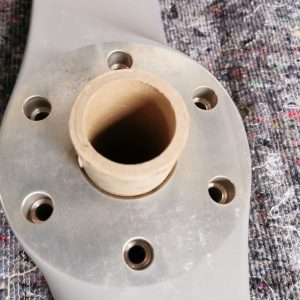
The Sensenich Propeller – P/N 74DM6-0-60
A Sensenich Propeller P/N 74DM6-0-60 may also be advertised more info as a Sensenich 74DM6 Propeller or 74DM6-0-60 Aircraft Propeller when every model character, suffix, serial marking, and alteration detail is stated accurately.
Fixed-pitch construction provides established blade geometry without a pilot-controlled in-flight pitch-change mechanism.
Correct dimensional and installation research supports safer and more efficient propeller selection.
A Replacement Aircraft Propeller must match the approved aircraft, engine, hub, bolt pattern, spinner, diameter, pitch, and operating limitations.
Understanding the 74DM6-0-60 Model Number
Complete identification reduces unsuitable purchases and gives maintenance professionals the information required for further review.
The buyer should determine whether the propeller remains in its original manufactured configuration or has undergone any pitch adjustment, diameter reduction, refinishing, inspection, trial fitting, repair, or alteration.
Separating Storage History from Serviceability
An unused propeller may still develop coating damage, corrosion, moisture exposure, scratches, dents, contamination, or packaging-related abrasion.
Any temporary mounting or dimensional checking should be disclosed clearly.
Understanding Fixed Blade Geometry
A fixed-pitch propeller uses blade geometry manufactured or adjusted for a defined range of engine and aircraft operating conditions.
Fixed-pitch simplicity can reduce mechanical complexity compared with variable-pitch or constant-speed systems, but it does not eliminate inspection, balance, tracking, and maintenance requirements.
Aluminum Aircraft Propeller Construction
Even a new and never-installed propeller should be checked for handling marks, coating defects, scratches, dents, and environmental exposure.
Both blade faces, backs, roots, tips, leading edges, trailing edges, and hub transitions should be examined under suitable lighting.
Measuring the 74DM6 Propeller
The measurement should not be assumed from packaging labels or seller estimates alone.
The receiving aircraft must provide sufficient propeller clearance under applicable loading and operating conditions.
Understanding the 60-Inch Pitch Propeller
Verified configuration helps buyers understand the intended application of the 60-Inch Pitch Propeller.
Professional pitch evaluation protects the Sensenich 74DM6-0-60 Propeller.
Matching the Propeller to the Correct Engine
Compatibility depends on the exact aircraft model, serial range, engine designation, propeller approval, hub, bolt pattern, diameter, pitch, and operating limitations.
Qualified research supports responsible selection of a Lycoming O-320 Propeller.
Inspecting the Complete Propeller Assembly
Shipping damage or improper storage affecting one blade can influence the balance and suitability of the complete propeller.
Careful handling preserves the Two-Blade Aircraft Propeller assembly.
Evaluating Mounting Holes and Surfaces
Detailed hub inspection helps verify the stated condition.
Professional hardware selection protects the engine and Replacement Aircraft Propeller.
Identifying Storage and Handling Concerns
Professional evaluation protects the Sensenich Aircraft Propeller from unsuitable installation.
Trailing edges and blade tips should remain free from bending, cracking, deformation, edge damage, and inconsistent contour.
Maintaining the Factory Finish
A dry storage history can reduce corrosion risk but does not eliminate the need for inspection.
The propeller should not be stored directly on concrete floors, damp timber, unstable shelving, or unsupported blade tips.
Supporting Installation Eligibility
Certified design status does not automatically establish the present serviceability, airworthiness, or installation eligibility of an individual propeller.
A release certificate or service tag belonging to another serial number does not establish the condition of the offered unit.
Evaluating Release Paperwork
Conflicting or incomplete identification should be resolved before payment or installation.
Complete history supports future maintenance, installation research, and resale.
Aircraft Propeller Condition Review
Uncertainty regarding identity, dimensions, storage, condition, or installation eligibility should be resolved before shipping.
- Resolve identity, applicability, dimensions, condition, and package-completeness questions before payment.
- Confirm the manufacture or purchase date, storage duration, environmental conditions, preservation method, ownership history, and absence of operating time.
- Retain photographs, serial information, measurements, purchase records, inspection reports, release documents, and freight paperwork with the aircraft project file.
Protecting a New Two-Blade Propeller in Transit
Moisture-resistant wrapping may be appropriate when it does not trap condensation against the aluminum.
Careful freight preparation reduces damage risk to the Sensenich Aircraft Propeller.
Long-Term Aluminum Propeller Storage
The propeller should not be placed where tools, vehicles, machinery, or personnel can strike it.
The unit should not be stored directly on damp concrete, exposed ground, unstable shelving, or areas vulnerable to roof leaks.
Preparing for Ground and Flight Checks
Incorrect bolts, unsuitable washers, damaged threads, or improvised spacers should not be used.
Blade tracking should be evaluated after mounting.
A ground run should not replace incomplete compatibility research or required technical inspection.
Maintaining the Leading Edges and Finish
Routine maintenance should include inspection of blade faces, backs, leading edges, trailing edges, tips, hub, mounting hardware, spinner components, blade tracking, finish, and signs of corrosion or movement.
The propeller should receive additional inspection after a suspected strike, sudden engine stoppage, overspeed, severe vibration, loose installation, lightning-related concern, or transportation impact.
Buying P/N 74DM6-0-60
Honest information strengthens buyer confidence and reduces disputes.
Total acquisition cost may include the purchase price, specialist inspection, dimensional verification, static or dynamic balance work, mounting hardware, spinner components, installation labor, packaging, shipping, and documentation.
Choosing the Sensenich Propeller – P/N 74DM6-0-60
For a properly approved aircraft-and-engine combination, the propeller can support a professional installation project when inspected and mounted by qualified personnel.
The propeller should be evaluated with the receiving aircraft’s Lycoming engine, flange, spinner, operating limitations, clearances, and approved installation requirements in mind.
Whether the propeller is purchased for replacement, restoration, new construction, spare inventory, resale, or an aircraft project, transparent information and qualified oversight provide the strongest foundation.
With transparent records, protected shipping, correct aircraft-and-engine fitment, careful mounting, and appropriate inspection, the Sensenich propeller can support a professional aviation project.